
"tree energy"
1000 article(s) found

Introduction of the whole process from coffee tree to fruiting
One of the characteristics of a coffee tree is that its fruit can bear fruit several times a year, and another is that flowers and fruits (also known as cherries) coexist at different stages of ripening. The whole coffee harvest is swayed by the vagaries of nature. If the fruit is too ripe, the beans in it will rot. If it is not ripe enough, the beans picked will not ripen by themselves. So bean pickers have to go through

Can decaffeinated coffee refresh you? how to drink decaf beans? how to make decaf?
Professional coffee knowledge exchange more coffee bean information please follow the coffee workshop (Wechat official account cafe_style) want to avoid consuming too much caffeine, but also want to taste the flavor of coffee, there are several common ways to remove caffeine, in fact, not completely non-caffeinated, just a very small amount, the content < 2.5% can be called low-caffeinated coffee beans, the following is the production of low-caffeinated coffee beans

The Legend, History and Origin of Phoenix Dancong Tea the Origin Story of the Song Dancong Oolong
Dancong Oolong Tea: legend, History and Origin Dancong is a famous Fenghuangshan oolong tea in Guangdong. Oolong tea from this region is considered to be the biggest competitor of oolong tea in Wuyishan tea area of Fujian province. Especially in the past few years, but Cong has become more and more popular. Like many other famous Chinese teas, there is a legend about its origin. The elixir of immortality fled to Wu in the Song Dynasty.
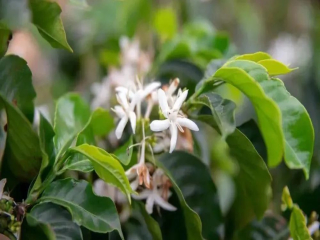
Arabica coffee parent species: Eugenioides
Coffee is known to be divided into three main varieties: Arabica, Robus Robosta and Liberica. The most famous and well-known of these is Arabica. We know iron pickup, Bourbon, Kadura, Guixia and so on, all belong to Allah
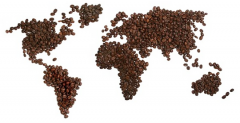
History and stories of Coffee basic knowledge of Coffee Culture
Coffee History: the Origin of Coffee in Africa the world's first coffee tree was found in the Horn of Africa. Local indigenous tribes often grind the fruit of coffee and knead it with animal fat to make many ball-shaped balls. These indigenous tribes use these coffee balls as precious food for soldiers who are about to go out to battle. Sometimes, people

Coffee from the KIAMBU region of Kenya has round beans, thick flesh and obvious fruit flavor.
Professional coffee knowledge exchange more coffee bean information please follow the coffee workshop (Wechat official account cafe_style) AA level "SL28" of Monteiro Manor in Kyakiambu District, Kenya AA Mtaro National Kenya production area Kiambu graded AA (SC18+) producer Monteiro Manor Water washing-Kenyan variety SL28,Ruiru11,Batian 1600 cm above sea level

Analysis of the process from coffee tree planting to coffee bean harvest
Coffee trees take 3-5 years from planting to fruiting. 6-10 years of coffee trees are the most likely to bear fruit, about 15-20 years, is the harvest period. Coffee trees are usually bred in nurseries and grow into saplings, and then moved to coffee farms a year later, in full compliance with the way the Arabs planted and cultivated coffee trees. Coffee trees will continue to take root downward and upward in the first four or five years of their growth.
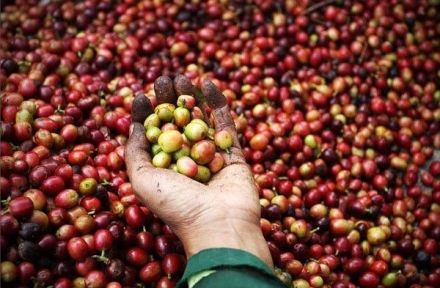
From the planting of coffee trees to the harvest of coffee beans
Coffee trees take 3-5 years from planting to fruiting. 6-10 years of coffee trees are the most likely to bear fruit, about 15-20 years, is the harvest period. Coffee trees are usually bred in nurseries and grow into saplings, and then moved to coffee farms a year later, in full compliance with the way the Arabs planted and cultivated coffee trees. Coffee trees will continue to take root downward and upward in the first four or five years of their growth.
It takes 3-5 years from coffee tree planting to coffee bean harvest.
Coffee trees take 3-5 years from planting to fruiting. 6-10 years of coffee trees are the most likely to bear fruit, about 15-20 years, is the harvest period. Coffee trees are usually bred in nurseries and grow into saplings, and then moved to coffee farms a year later, in full compliance with the way the Arabs planted and cultivated coffee trees. Coffee trees will continue to take root downward and upward in the first four or five years of their growth.

Coffee training topic Organic Coffee beans
Only a small part of the world's coffee is truly organic certified coffee, because the certification process takes a long time, about three years. And such a deal would reduce coffee production by as much as 50%. So when coffee growers decide to do organic certification, it means that a time-consuming and costly investment begins. Many people think that when coffee is growing, only

The Common sense of African Coffee Culture the Origin of Coffee
The world's first coffee tree was found in the Horn of Africa. Local indigenous tribes often grind the fruit of coffee and knead it with animal fat to make many ball-shaped balls. These indigenous tribes use these coffee balls as precious food for soldiers who are about to go out to battle. Sometimes, people don't understand how coffee credits show excitement.

The production of high-quality coffee beans
Coffee trees take 3-5 years from planting to fruiting. 6-10 years of coffee trees are the most likely to bear fruit, about 15-20 years, is the harvest period. Coffee trees are usually bred in nurseries and grow into saplings, and then moved to coffee farms a year later, in full compliance with the way the Arabs planted and cultivated coffee trees. Coffee trees will continue to take root downward and upward in the first four or five years of their growth.
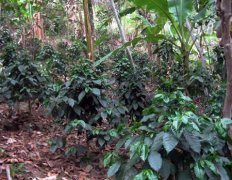
Coffee trees take 3-5 years from planting to fruiting.
Coffee trees take 3-5 years from planting to fruiting. 6-10 years of coffee trees are the most likely to bear fruit, about 15-20 years, is the harvest period. Coffee trees are usually bred in nurseries and grow into saplings, and then moved to coffee farms a year later, in full compliance with the way the Arabs planted and cultivated coffee trees. Coffee trees will continue to take root downward and upward in the first four or five years of their growth.
General knowledge of boutique coffee from coffee tree planting to coffee bean harvest
Coffee trees take 3-5 years from planting to fruiting. 6-10 years of coffee trees are the most likely to bear fruit, about 15-20 years, is the harvest period. Coffee trees are usually bred in nurseries and grow into saplings, and then moved to coffee farms a year later, in full compliance with the way the Arabs planted and cultivated coffee trees. Coffee trees will continue to take root downward and upward in the first four or five years of their growth.
The birth of coffee beans (1)
Coffee trees take 3-5 years from planting to fruiting. 6-10 Coffee trees bear fruit most easily in 15-20 years, which is the harvest period. Coffee trees are usually bred in nurseries, grown into saplings, and then moved to coffee plantations a year later, following exactly the same methods used by Arabs to grow coffee trees. For the first four or five years of its life, coffee trees take root downwards and grow upwards.

What is the method of coffee processing in Rwanda? Introduction of Kinazi Coffee processing Plant in Rwanda
For more information on coffee beans, please follow the Coffee Workshop (official Wechat account cafe_style) once upon a time, coffee was handled differently from farm to farm, with beans from different farms gathered and mixed with neighboring ones. After the genocide, the country began to open up to accept foreign aid, and revitalizing the coffee industry has become the country's top priority. So

How to transplant famine coffee trees-how long does it take for coffee trees to blossom to produce ripe coffee berries
How to transplant a famine coffee tree-how long does it take for a coffee tree to blossom to produce ripe coffee berries? because if the coffee is exposed to direct sunlight, the leaf temperature rises and the stomata close, unable to absorb carbon dioxide, the coffee tree will stop growing. Some taller trees will be planted next to the coffee tree to avoid being exposed to the sun for a long time. It is usually tropical cash crops such as bananas, betel nuts, etc.

What are the "what" in the coffee?
What is caffeine? Caffeine is a substance found in the leaves, roots and fruits of 100 plants in nature. it is also a mixture of methylxanthine. Caffeine usually comes from coffee, dimethoate and tea. Caffeine is also used in energy drinks and drugs to treat colds and flu. Coffee and tea also contain other dimethylxanthine theophylline. Tea

Coffee is found in the Horn of Africa, where coffee originated.
The world's first coffee tree was found in the Horn of Africa. Local indigenous tribes often grind the fruit of coffee and knead it with animal fat to make many ball-shaped balls. These indigenous tribes use these coffee balls as precious food for soldiers who are about to go out to battle. Sometimes, people don't understand how coffee credits show excitement.
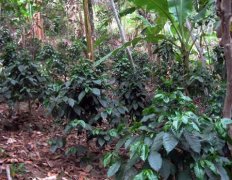
Production of coffee beans Coffee trees from planting to fruiting
Coffee trees take 3-5 years from planting to fruiting. 6-10 years of coffee trees are the most likely to bear fruit, about 15-20 years, is the harvest period. Coffee trees are usually bred in nurseries and grow into saplings, and then moved to coffee farms a year later, in full compliance with the way the Arabs planted and cultivated coffee trees. Coffee trees will continue to take root downward and upward in the first four or five years of their growth.